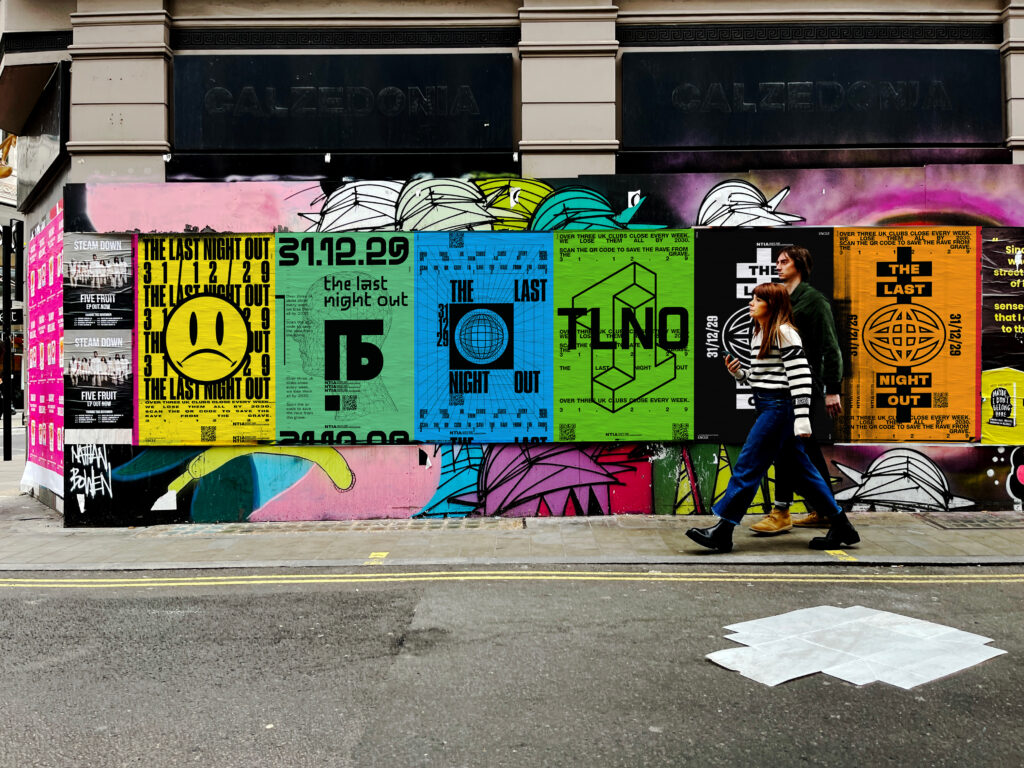
Once a rite of passage for young adults across Britain, the traditional night out is fading fast. Sticky dance floors, booming basslines, and blurry early mornings are no longer the default for Generation Z. Instead, more and more young people are opting for sober socials, house parties, and digital connection over crowded club nights.
With Gen Z’s changing tastes, spiraling costs, and an industry in free fall, nightlife experts are now asking: is this the death of the big night out?
Clubbing Culture in Crisis
The UK’s night-time economy is in steep decline—and it’s happening faster than ever. The latest statistics from CGA Neilson reveal a devastating trend: between June 2020 and June 2024, the UK lost 480 nightclubs—an average of 10 closures per month. But the situation is worsening. From December 2023 to June 2024 alone, 65 venues shut down, equating to 11 per month, or three per week.
These closures aren’t just numbers—they represent jobs, culture, and community spaces. Once vital hubs of music and identity, dance music venues are disappearing at a rate that threatens the future of the UK’s globally respected nightlife scene.
Michael Kill, CEO of the Night Time Industries Association (NTIA), warns of a deepening crisis:
“We’ve been losing two nightclubs every week, but in the last six months, this has escalated to three per week. This rapid decline is devastating for our economy, culture, and communities.”
Despite the sector contributing millions in taxes, it is weighed down at every point: rising operational costs, inconsistent and obstructive bureaucratic systems for licensing and planning, and an over-reliance on venues to fund services like cleaning and security—services that, Kill says, should be publicly provided.
He adds:
“Our sector is treated like an afterthought, yet it supports jobs, tourism, and hospitality. These venues aren’t just places to dance; they are vital spaces for community and creativity.”
A Nation of Closures: The Numbers Behind the Decline
The decline is particularly stark in regional areas:
- Yorkshire: From 132 nightclubs in 2020 to just 73 in 2024 — a 45% drop.
- Lancashire: Down from 178 to 104 — a 42% loss.
- South West: From 111 to 64 — another 42% decline.
- Wales: From 66 to 39 — a 41% reduction.
- Scotland: From 125 to 83 — a 34% decline.
Even London, the country’s nightlife capital, saw a drop from 200 to 143 nightclubs — a 29% fall.
The NTIA warns these regional disparities are gutting local culture and economies. Without targeted intervention, these communities risk losing the venues that help define their identities.
The association is calling on the government to extend business rates relief in the Autumn Budget and invest in long-term reform to support not just bricks-and-mortar clubs, but also pop-up venues, music festivals, and other creative spaces that drive the cultural economy.
Why Gen Z Isn’t Going Out
While economic pressures play a key role, the root of the problem also lies with changing generational attitudes.
For Gen Z, nightlife doesn’t hold the same allure it once did. A Google study found that 60% of UK Gen Zers associate drinking with a loss of control, and 49% say their online image is always in the back of their mind when drinking. In a hyper-curated, always-online world, the fear of an embarrassing photo going viral often outweighs the fun of a messy night out.
“There’s no room for mistakes anymore,” says 21-year-old student Jasmine Leung. “Everything is filmed. One bad night and your whole image could be ruined.”
The rise in phone culture has radically reshaped socialising. Rather than seek out chaotic nights, Gen Z often opts for quieter, controlled environments. Sober bars, TikTok-friendly cafes, or even just nights in are becoming more appealing alternatives.
Clubs vs. Cost of Living
Economic pressures are compounding the generational shift. Students, once the lifeblood of weekday club nights, are now grappling with rising rents, energy bills, and food costs.
“A nightclub can’t survive on just a Saturday night and a semi-good Friday,” explains Sacha Lord, Night Time Economy Adviser for Greater Manchester.
Rekom, the UK’s largest club operator, cited the cost of living crisis as a key reason for the closure of 17 venues earlier this year. Instead of spending £30+ on a night out, students are hosting house parties or seeking cheaper thrills.
The Sober Shift and Digital Entertainment
The retreat from alcohol is also reshaping nightlife. According to the Portman Group, 39% of 18–24-year-olds don’t drink at all, and even older demographics are cutting back.
“We used to hit the wine heavy – not so much now,” says Laura Willoughby, founder of alcohol-free bar Club Soda.
Her business is thriving, as are others like Love From in Manchester, where patrons sip mocktails in a full-blown nightclub setting—just without the booze.
Music consumption has also changed. With endless online access, many would rather enjoy music at home or through headphones than endure long queues, expensive drinks, and sweaty crowds.
“Club music isn’t what it used to be,” says Eve, a fourth-year law student. “There’s nostalgia for a scene we didn’t get to experience, but not enough draw to replace it.”
A Crossroads for Nightlife
To survive, nightlife must evolve. Experts suggest offering event-based experiences—from quizzes and immersive shows to sober raves and interactive performances.
“It’s not about the strength of the drink anymore,” says Willoughby. “It’s about memorable experiences.”
Still, the scale of decline demands more than creative marketing. Without immediate government support, Kill warns, long-term reform will come too late.
“If we don’t act now, we’ll have nothing left to save.
The Last Dance?
Gen Z hasn’t stopped wanting to go out—they just want something different. But without bold action and systemic change, many venues won’t be around to deliver it.
The death of the big night out isn’t inevitable. But if current trends continue, it might soon be history.


Leave a Reply