Is the Party Really Over? My Last Night at Hope Works
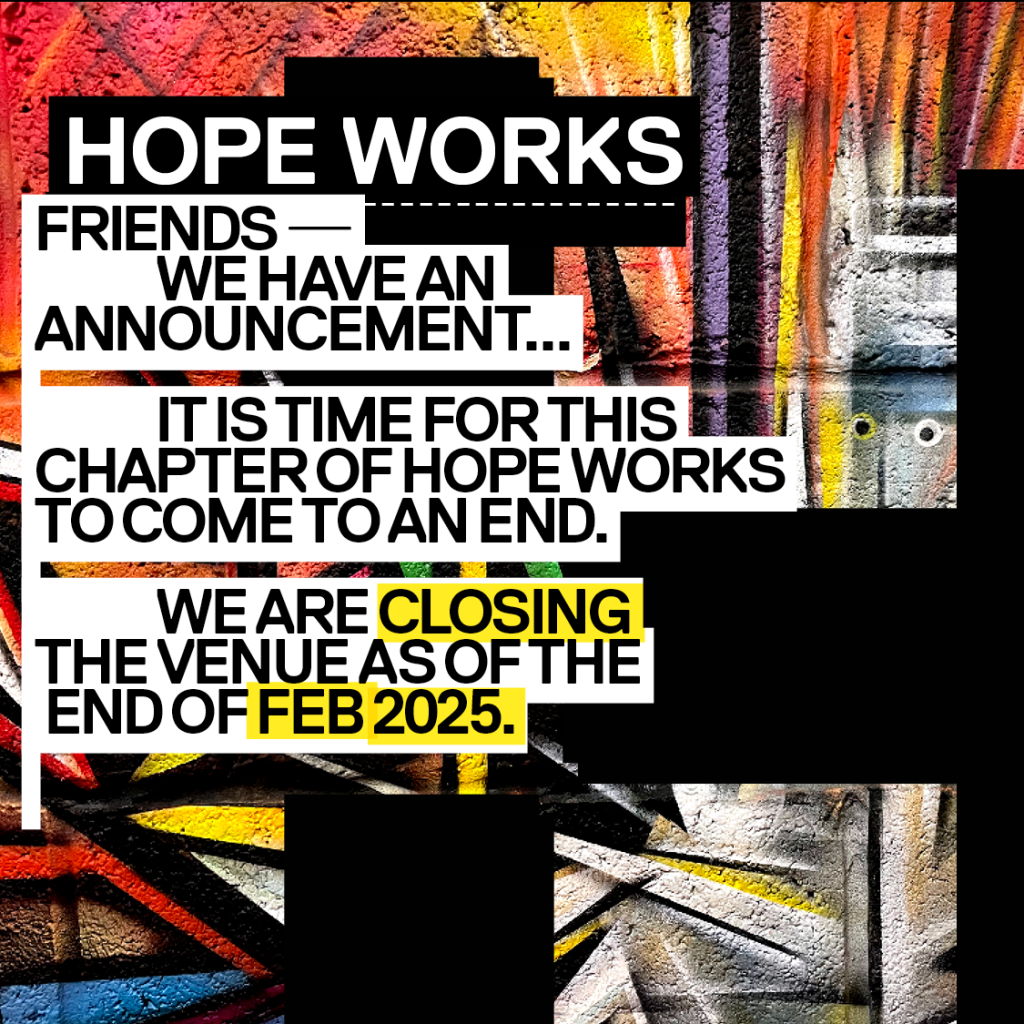
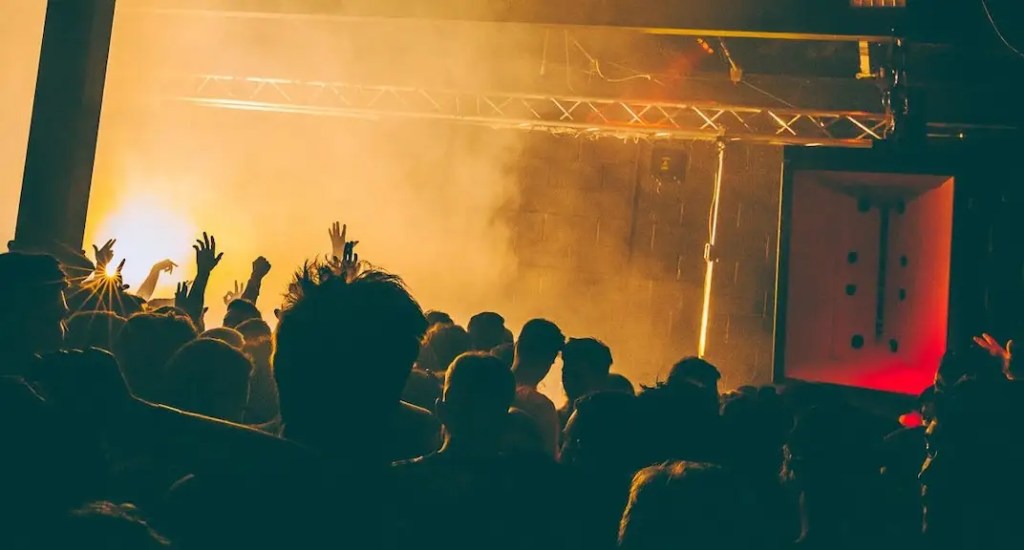
Walking into Hope Works in Sheffield for one of its final nights felt surreal. The bass thumped through the old gun-barrel factory walls, the fluorescent lights flickered across the crowd, and hundreds of people moved together like one giant heartbeat. Some people wore black to mark the loss of their favorite spot. I didn’t need a dress code to feel the weight of it nostalgia hit me like a bass drop I wasn’t ready for.
This club wasn’t just a venue. It was a landmark, a rite of passage for students and locals alike. People told me, “It’s the reason a lot of us came to Sheffield.” Listening to them, I realized that Hope Works was more than a party; it was where people found their tribe. It’s a place where teenagers and twenty-somethings figure out who they are while dancing under fluorescent lights. And now, it’s gone.
A Worrying Trend
Walking out that night, I couldn’t shake the thought: this is part of a bigger picture. Over the last five years, around 400 clubs have closed across Britain more than a third of the total. It’s like watching an entire cultural ecosystem collapse quietly, while we scroll our feeds and sip lattes in the daylight.
I spoke to some club owners and DJs, and the reasons are complicated. Rising energy bills, rent, wages, and the sheer cost of running a venue are making it almost impossible for small, grassroots clubs to survive. Even bigger chains aren’t safe Pryzm and Atik closed several venues in 2024, citing changing student habits and financial pressures. Going out isn’t cheap anymore, and for many young people, it’s now a luxury.
Generation Z and the New Social Life
Money isn’t the only factor. Generation Z is rewriting the rules of nightlife. Many young people are drinking less some not at all. The “all-night binge” culture is fading, replaced by conscious choices about health, mental wellbeing, and digital socializing.
COVID played a role here too. Entire cohorts missed formative nightlife experiences. Lockdowns forced people online, and for some, the pandemic’s effects linger. Social anxiety, loneliness, and even a lack of confidence in face-to-face socializing are all part of the equation. I’ve met people who admit they’d rather scroll through Instagram or hang out virtually than step into a crowded, sweaty club.
Social media is also rewriting how we experience nightlife. On TikTok, a twenty-second clip of a dance floor can capture the same thrill as an entire night out. Many club-goers now arrive early to record content for social media, blending digital performance with real-life celebration. Some argue this diminishes the authenticity of going out, but it also reflects how we adapt culture to technology.
Clubs as Cultural Incubators
Standing on that floor, it hit me how much we undervalue these places. Clubs are incubators for culture. Music, fashion, even social movements have been born here. Berlin’s Berghain, legally recognized as a cultural institution, is a reminder that nightclubs can be as significant as opera houses or theaters. In Britain, the recognition isn’t as formal, but the cultural importance is just as real.
I remembered the stories of legendary British clubs like The Hacienda in Manchester, where bands and DJs reshaped music history, or Fabric in London, which became a hub for electronic music innovation. These clubs weren’t just buildings they were experiments in community, creativity, and freedom. Losing venues like Hope Works is not just a loss of nightlife; it’s a loss of cultural laboratories that shaped generations.
Some of the oldest clubs, like Halifax’s Acapulco, survive because they adapt. They offer value for money, embrace social media trends, and create experiences that feel unique and communal. Sheffield’s Gut Level, a queer-led, community-focused club, uses membership models to ensure affordability while prioritizing safety and inclusion. The dancefloor is no longer just about alcohol or big crowds — it’s about belonging.

Personal Anecdotes
I spoke with a few club-goers that night. One student told me how Hope Works was the only place she felt free to express herself — not just in clothing or dancing, but in how she connected with people. A DJ I met, who’d grown up in Sheffield, said he’d watched entire careers launch from grassroots nights like this, musicians who would have had nowhere else to perform. Their stories reminded me why these spaces matter.
Even casual nights hold importance. I recalled my first club experience, clumsy and awkward, surrounded by strangers who became friends by sunrise. Clubs are where people learn the social rules of independence, spontaneity, and emotional connection outside family and school structures.
Reflections on Digital Culture
It’s tempting to blame social media for the decline of nightlife. But the truth is more nuanced. Digital culture is reshaping how we socialize, yes, but it also offers new ways to connect. Online communities, live streams, and virtual events can complement real-world experiences if we preserve the spaces where offline socializing can thrive.
The challenge is balance. Younger generations may prefer smaller, curated experiences or hybrid models that blend online and offline interactions. Clubs that embrace technology, inclusivity, and creativity are more likely to survive — and maybe even thrive.
Why Nightlife Matters
Nightclubs are more than just spaces to dance. They are social laboratories, creative engines, and, for some, the only place they truly belong. They allow experimentation with identity, fashion, music, and friendships in ways that daylight life cannot. Protecting them isn’t just about fun it’s about safeguarding culture.
Walking out of Hope Works that night, I felt a mix of gratitude and worry. I had experienced a space where music, creativity, and human connection collided, but I couldn’t help but wonder: how many more of these universes will vanish before anyone notices?
Nightclubs are evolving, and the party isn’t over. But the question lingers: will we value these spaces enough to keep them alive for the next generation? Or will future young people only know nightlife through Instagram stories and TikTok clips, missing the raw, unfiltered magic of real-world dance floors?
What We Can Do to Keep the Night Alive
If you’ve ever felt the electricity of a crowded dance floor, the thrill of discovering new music, or the simple joy of being part of a community, then you know why nightlife matters. These spaces are fragile, and they need our attention.
Here’s how we can help:
- Support Local Venues – Attend smaller, grassroots clubs and community nights. Even a single night out can make a difference.
- Spread the Word – Share events, DJs, and new music on social media. Grassroots clubs thrive on word-of-mouth.
- Value Experience Over Cost – Treat clubbing as more than a night out; it’s cultural participation. Sometimes paying a little more supports a space that nurtures creativity.
- Be Inclusive and Respectful – Clubs that prioritize safety, diversity, and inclusivity are the ones that survive and thrive. Respect them and the communities they serve.
- Advocate for Cultural Recognition – Campaign for local councils and governments to acknowledge the cultural value of clubs, like Berlin and Zurich have done.
Nightlife isn’t just about parties it’s about community, creativity, and culture. By showing up, supporting, and advocating for these spaces, we can ensure that the next generation experiences the same magic we did.
So the next time you hear a bassline pulsing through the walls of your favorite venue, step inside, dance, and be present. Because this isn’t just a night out it’s history in motion.
 theclubbersbible.com
Leave a comment