The journey of Electronic Dance Music (EDM) is an intricate tapestry woven through the corridors of time, a testament to the transformative power of technology in the realm of music production. As we delve deeper into the annals of musical evolution, it becomes evident that the emergence of EDM is not merely a chapter but a profound narrative of how innovation, creativity, and the collective heartbeat of a generation converged to shape a genre that reverberates through the ages.
Unraveling the Tapestry
Inception in the 1970s: Disco Fever
The roots of EDM stretch back to the pulsating beats of disco music in the 1970s. As the disco ball cast its glittering glow over dance clubs, a sonic revolution was underway. Disco, with its synthetic instruments and electronic drum beats, laid the groundwork for the future of electronic dance music. The “four on the floor” beats, syncopated bass lines, and rhythm guitars not only provided a rhythmic guideline but also planted the seeds of innovation that would blossom in the decades to come. Tracks like “Rock Your Baby” by George McCrae became anthems of the era, introducing electronically programmed instruments and setting the stage for the electronic music genres that followed.
Evolution in the 1980s: Synth-Pop Renaissance
The 1980s marked the post-disco era and the rise of synth-pop. As electronic music software evolved, so did the sonic landscape. Influences from Europe propelled EDM into the mainstream, with synthesizers and drum beats taking center stage. Innovations like MIDI (Musical Instrument Digital Interface) facilitated communication between electronic instruments and computer systems. Hits like “Take on Me” by a-ha.
and “Don’t You Forget About Me” from The Breakfast Club epitomized the infusion of electronic synths into mainstream music. The 1980s witnessed the democratization of EDM production as technology progressed, making synthetic instruments more accessible and transferable. Rather than cumbersome synthesizers occupying entire rooms, these instruments could now be easily integrated into the digital realm, thanks to tools like MIDI input keyboards. Producers found a newfound freedom to play in rhythms and melodies, paving the way for the surge of upbeat music that defined the era.
Blossoming in the 1990s: Subgenre Galore
The 1990s witnessed the flourishing of EDM, with an array of subgenres emerging to shape the genre’s multifaceted identity. House, techno, hardstyle, dub, drum and bass, and trance, each with its distinctive sounds, propelled EDM further into the mainstream, particularly in Europe.
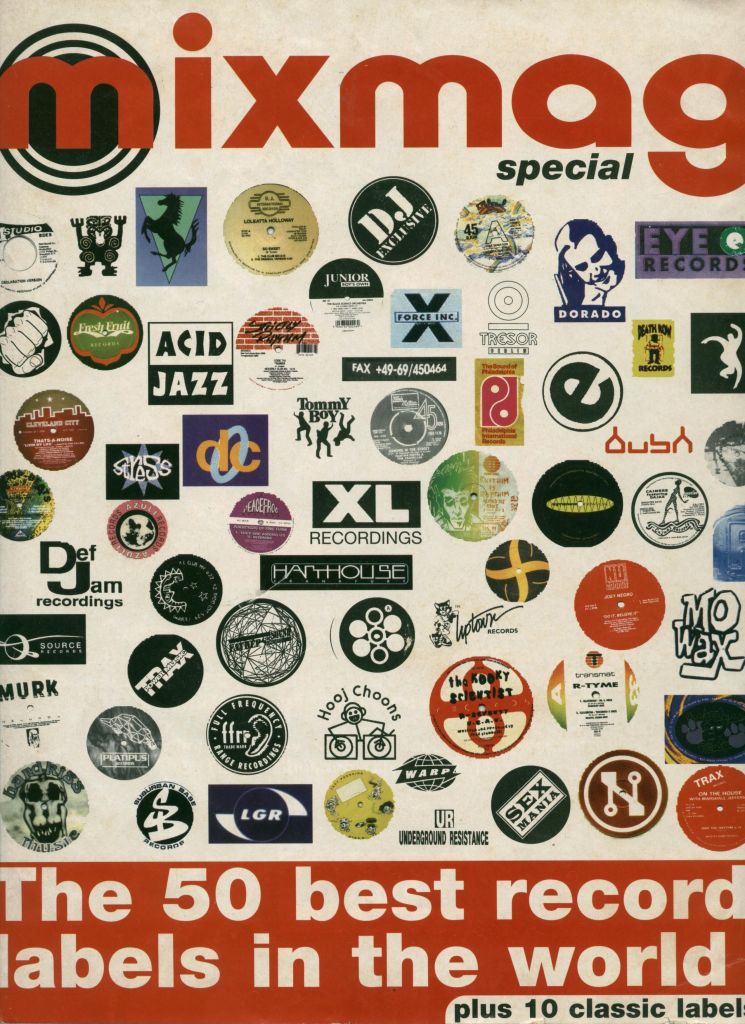
The nightclub and rave scene grew in popularity, becoming the epicenter for both popular and underground EDM records. Across the Atlantic, in the United States, Detroit introduced “Detroit techno,” with tracks like Mayday’s “Strings of Life” achieving legendary status in the techno music genre.
The 90s were marked by a significant hip-hop influence, characterized by syncopated beats or breakbeats. Songs like “Can’t Touch This” by MC Hammer and “No Diggity” by Blackstreet showcased a fusion of genres, emphasizing bass frequencies—a hallmark of contemporary electronic dance music.
Integration in the 2000s: EDM Goes Mainstream
The 2000s saw the seamless integration of EDM elements into mainstream pop music. Chart-topping hits like “Party Rock Anthem” by LMFAO and “Titanium” by David Guetta featuring Sia blurred the lines between genres, incorporating synthetic sounds and electronic drum beats. Producers embraced the creation of instrumental dance breaks, utilizing vocal choruses to build tension before the euphoric drop. EDM producers, such as The Chainsmokers and Marshmello, transcended the boundaries, propelling the genre into mainstream radio and collaborating with pop singers. The EDM landscape transformed, with producers creating sonic experiences that captivated audiences globally. The genre became synonymous with energetic and dynamic music, creating a cultural phenomenon that extended beyond the dance floor.
The Present Landscape: A Sonic Utopia
As we navigate the present sonic landscape, EDM is omnipresent, resonating from middle school dances to the pulsating heartbeat of New York City nightclubs. Its universal appeal lies in the demand for music that not only entertains but also induces movement and dance. Technological advancements have democratized the production of EDM, placing the tools of creation in the hands of aspiring artists. Laptops, MIDI input keyboards, and drum pads have become the instruments of choice, allowing DJs and producers to take their craft on the road for live sets. The ability to remix EDM tracks in real time has transformed performances into dynamic and immersive experiences.
EDM as a Profound Art Form
The intricate process of synthesizing sounds and creating complex drum beats in EDM production is not a pursuit for the faint-hearted. It demands a profound understanding of music composition, rhythm, and an unwavering dedication to sonic exploration. In a world where music festivals, nightclubs, and DJ events continue to gain popularity, EDM has transcended its roots to become a highly consumable and marketable skill for producers. The genre, once considered niche, has embedded itself deeply into the fabric of the music industry, evolving with each technological leap.
Beyond Personal Preferences: A Cultural Phenomenon
Irrespective of individual musical preferences, EDM has emerged as a cultural phenomenon, a genre that has not only witnessed decades of evolution but continues to grow in tandem with technological advancements. From the discotheques of the 1970s to the dynamic festivals of the present, EDM has maintained its relevance, adapting to the changing times without compromising its essence. It has become a canvas for creative expression, a space where sonic architects craft experiences that transcend boundaries and connect diverse audiences on a universal wavelength.
EDM: An Ever-Expanding Canvas
As we gaze into the future, the trajectory of EDM appears boundless. The genre has become an ever-expanding canvas for artists to push the limits of sonic innovation. Emerging technologies will undoubtedly play a pivotal role in shaping the next chapter of EDM. Virtual reality, artificial intelligence, and interactive experiences may redefine the way audiences interact with EDM performances. The genre’s versatility ensures its resilience, as it seamlessly incorporates influences from diverse musical cultures and genres.
Conclusion: A Harmonious Fusion of Past, Present, and Future

In conclusion, the evolution of Electronic Dance Music is a harmonious fusion of the past, present, and future. From its disco origins to the synth-pop renaissance, the proliferation of subgenres in the 90s, and its integration into mainstream pop in the 2000s, EDM has been a dynamic force in the musical landscape. Its present landscape reflects a utopia of sonic possibilities, where technology empowers artists and audiences alike. EDM has transcended the confines of personal preferences, emerging as a cultural and technological force that resonates across generations. As we embark on the next phase of this sonic odyssey, one thing remains certain—EDM will continue to evolve, adapt, and redefine the very fabric of the musical experience, pushing the boundaries of creativity and uniting diverse communities under the universal language of beats and rhythms.
 theclubbersbible.com
Leave a comment