The Early Beginnings: Nightclubs as Catalysts of Musical Evolution
Nightclubs, with their dimly lit interiors and pulsating beats, have a rich history deeply intertwined with the evolution of music and culture. This artical delves into the early origins of nightclubs and their pivotal role in shaping the trajectory of dance music.
Nightclubs as we know them today trace their origins back to the Prohibition era of the 1920s in the United States. With the ban on alcohol, speakeasies emerged as clandestine havens for patrons seeking entertainment and social interaction. These underground establishments not only served as gathering places but also laid the groundwork for the concept of nightclubs as spaces of rebellion and expression.

The Jazz Age brought forth a revolutionary era of music, and nightclubs became the breeding grounds for this sonic revolution. The vibrant rhythms of jazz and swing found a natural home in these venues, fostering a sense of liberation and spontaneity. Nightclubs like the Cotton Club in Harlem became synonymous with the fusion of music, dance, and social freedom.
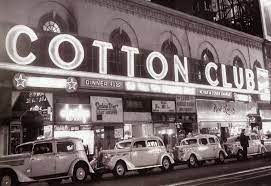
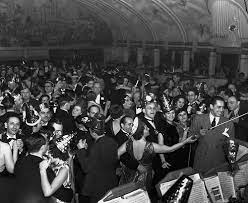
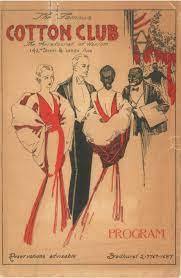
As societal norms shifted and counterculture movements gained momentum, nightclubs evolved into epicenters of artistic experimentation and resistance. The emergence of disco in the 1970s exemplified this shift, with clubs like Studio 54 becoming synonymous with hedonism and self-expression. The nightclub experience transcended mere entertainment, becoming a conduit for challenging social norms and celebrating individuality.
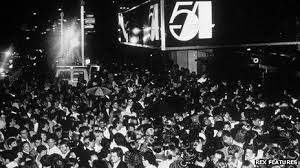
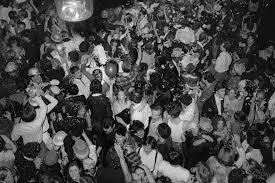
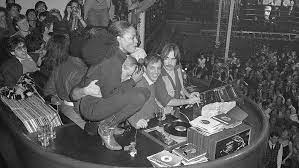
Nightclubs were not just places where existing genres found a home; they played a pivotal role in the creation of entirely new musical movements. The blending of diverse musical influences within the confines of a nightclub gave birth to innovative genres that would go on to shape the musical landscape. Disco, funk, and later, electronic dance music, owe a significant debt to the experimentation and collaboration that occurred within nightclub walls.
The Global Spread of Nightclub Culture
The concept of nightclubs transcended geographical boundaries, with their influence spreading to different corners of the globe. From the iconic clubs of Ibiza that birthed the modern electronic dance music scene to the underground venues of Berlin that nurtured techno, nightclubs became cultural touchstones that connected people across cultures and continents.
The early beginnings of nightclubs laid the foundation for the vibrant dance music culture we witness today. From their humble origins as speakeasies to their transformation into hubs of artistic expression, nightclubs have continuously pushed the boundaries of music, culture, and society. This legacy lives on in the pulsating beats, immersive experiences, and sense of community that characterize contemporary nightclub culture.
Fostering Creative Expression and Cultivating Artist Development
Nightclubs, with their pulsating rhythms and electrifying atmospheres, have long been incubators for creative expression and platforms for emerging artists. This chapter delves into how these iconic venues have nurtured artistic talent, shaped musical landscapes, and fueled the evolution of dance music culture.
Nightclubs are more than just physical spaces; they are dynamic canvases upon which individuals express themselves through movement. The dance floor becomes a realm of personal interpretation, where bodies sway, twist, and glide to the rhythm of the music. From intricate choreography to spontaneous improvisation, dance floors transform into platforms for emotional release and artistic communication.
The act of dancing within the confines of a nightclub has a transformative power, offering a sense of liberation and empowerment. In an environment where self-expression knows no bounds, dancers shed inhibitions and societal constraints. The dance floor becomes a sanctuary where identities are celebrated, and creativity flourishes without judgment.
For aspiring musicians, DJs, and producers, nightclubs provide a crucial stepping stone toward recognition and success. Open mic nights, showcase events, and talent contests hosted by nightclubs offer emerging artists the opportunity to showcase their craft to a receptive audience. These early performances often serve as a springboard for building a fanbase and gaining industry attention.
Residencies are a cornerstone of nightclub culture and play a pivotal role in artist development. Established DJs and performers often secure residencies, allowing them to curate regular sets and establish a signature sound. These extended engagements provide artists with a dedicated platform to experiment, refine their skills, and connect with their audience on a deeper level
Nightclubs play a critical role in shaping the sonic landscape of dance music. DJs, as musical architects, craft seamless journeys that guide the audience through peaks of energy and valleys of introspection. The art of mixing and track selection transforms the nightclub into a dynamic sonic experience, connecting diverse tracks into a coherent narrative.
Collaboration lies at the heart of many artistic endeavors, and nightclubs foster collaborative environments where artists from various disciplines converge. Musicians, visual artists, dancers, and performers often unite to create multisensory experiences that transcend individual mediums. This collaborative spirit not only elevates the artistry but also enriches the overall clubbing experience.
Nightclubs provide artists with a unique space to cultivate and refine their artistic identity. The intimate connection between performers and audiences enables artists to receive immediate feedback, adapt to crowd reactions, and fine-tune their craft. This iterative process contributes to the development of a distinct artistic persona that resonates with fans and fellow creators
From the expressive dance floors to the transformative power of residencies, nightclubs have nurtured artistic expression and provided a platform for emerging talents to flourish. This chapter has unveiled how nightclubs have acted as crucibles for creativity, shaping artists, and influencing the musical landscape. In the following chapter, we will explore the cultural significance of nightclubs as hubs of diversity and community building.
Nightclubs as Cultural Hubs and Community Building Centers
Nightclubs, beyond their pulsating beats and electrifying atmospheres, have emerged as cultural hubs that foster diversity, inclusivity, and a sense of community. This chapter delves into the profound impact nightclubs have had in breaking down barriers, forging connections, and creating spaces of belonging within the dance music culture.
Diversity and Inclusivity: Uniting Across Boundaries
Nightclubs have historically played a pivotal role in breaking down societal and cultural barriers. As spaces that welcome all walks of life, they create an environment where individuals of diverse backgrounds can come together in celebration of music and expression. Nightclubs have been instrumental in promoting inclusivity, providing safe havens where people can be themselves without fear of judgment.
A Tapestry of Identities: Celebrating Diversity
The dance floor of a nightclub is a vibrant tapestry of identities, cultures, and perspectives. Nightclubs have been instrumental in fostering an atmosphere where individuals are encouraged to embrace and celebrate their uniqueness. The music, dance, and camaraderie create a sense of unity that transcends differences, forging connections that extend far beyond the confines of the venue.
Counterculture and Subversion
Throughout history, nightclubs have been at the forefront of counterculture movements, challenging societal norms and pushing boundaries. These venues have provided a space for marginalized groups to come together and express themselves freely. From the LGBTQ+ community to underground subcultures, nightclubs have served as essential platforms for subversion and resistance.
Forging Bonds and Friendships
The communal experience of nightclub culture extends beyond the dance floor, fostering connections and forging lasting friendships. Strangers become friends, and friends become chosen families as individuals bond over shared musical tastes and shared experiences. The sense of camaraderie and mutual support that thrives within nightclubs creates a sense of belonging that is both genuine and enduring.
Cultivating Local Communities
Nightclubs often become pillars of their local communities, influencing the social fabric of neighborhoods and cities. They serve as spaces where individuals can congregate, exchange ideas, and contribute to the vitality of their surroundings. Nightclubs’ involvement in community initiatives, charity events, and social causes amplifies their impact beyond the realm of entertainment.
The Global Dance Music Family
While nightclubs have deep-rooted local impacts, they also contribute to a global dance music family. The shared language of beats and melodies transcends geographical boundaries, connecting individuals across continents. Iconic nightclubs in various parts of the world create a sense of familiarity and unity, forming an interconnected network of dance music enthusiasts.
Nightclubs, as cultural hubs and community building centers, have woven a tapestry of diversity, inclusivity, and connection within the dance music culture. From their role in celebrating individual identities to their contribution in counterculture movements, nightclubs have consistently acted as catalysts for positive social change. In the next chapter, we will explore how nightclubs have been pioneers of technological innovation, shaping the very sound and experience of dance music.
Nightclubs as Technological Pioneers: Shaping Sound and Experience
Nightclubs have not only been cultural hubs but also technological pioneers, pushing the boundaries of innovation to create immersive sonic and visual experiences. This chapter explores how nightclubs have harnessed technology to elevate the art of DJing, revolutionize lighting and visuals, and create a multisensory journey for club-goers.
The DJ Revolution: Transforming Turntables into Instruments
Nightclubs have been at the forefront of transforming DJs into musical architects. The evolution of DJ equipment from turntables and vinyl records to digital platforms and software has revolutionized how music is mixed and presented. Nightclubs provided the experimental ground for DJs to refine their skills, pioneer new techniques, and shape the very sound of dance music.
Sound Systems: Creating Sonic Landscapes
A hallmark of nightclub innovation is the development of advanced sound systems. Nightclubs invest in state-of-the-art audio equipment, creating immersive soundscapes that envelop patrons in a sea of sound. The quest for pristine sound quality has driven clubs to collaborate with audio engineers and acousticians, resulting in sound experiences that transcend mere listening.
Visual Spectacles: From Lights to Projection Mapping
Nightclubs have pushed the boundaries of visual experiences through innovative lighting design. The dance floor transforms into a canvas as light shows synchronize with music, elevating the sensory journey. The introduction of projection mapping technology has allowed clubs to transform their spaces into immersive environments, where walls and ceilings become dynamic displays of color and movement.
Interactive Technologies: Engaging the Audience
As technology evolves, nightclubs have embraced interactive elements that engage the audience on a deeper level. From touch-sensitive walls that respond to human touch to AR applications that overlay virtual elements onto the physical environment, nightclubs are shaping interactive experiences that blur the line between the real and the digital.
The Rise of Virtual Nightclubs
The digital age has brought forth a new era of innovation with the rise of virtual nightclubs. In response to changing dynamics, clubs have explored online platforms where patrons can gather, dance, and connect virtually. These platforms bring together people from around the world, extending the reach of nightclub culture beyond geographical constraints.
Technological Challenges and Ethical Considerations
With technological advancements come challenges and ethical considerations. Nightclubs must strike a balance between enhancing the experience through technology and maintaining the authenticity of the live clubbing experience. Additionally, issues such as data privacy, accessibility, and the environmental impact of technology use are pertinent factors to consider.
Nightclubs’ pioneering spirit in embracing technology has transformed them into multisensory wonderlands. The integration of cutting-edge sound systems, visual displays, and interactive technologies has elevated the nightclub experience to new heights. As we move forward, nightclubs will continue to innovate, shaping the future of dance music culture through technological exploration. In the next chapter, we will explore the role of nightclubs in preserving dance music heritage and their enduring legacy.
Preserving Dance Music Heritage and the Enduring Legacy of Nightclubs
Beyond their immediate impact, nightclubs hold a deeper significance in preserving dance music heritage and leaving an indelible mark on the cultural landscape. This chapter delves into the efforts to document and celebrate the history of nightclubs, as well as their lasting influence on society and the future of dance music culture.
Archiving Cultural History: Documenting Nightclub Culture
Recognizing the historical and cultural significance of nightclubs, efforts are being made to document their stories. Archival projects, oral histories, and digital repositories are emerging to capture the memories, experiences, and transformative moments that have occurred within nightclub walls. These initiatives ensure that the rich tapestry of dance music culture is preserved for future generations.
Celebrating Iconic Venues: Legacy and Influence
Nightclubs often transcend their physical presence to become iconic symbols of dance music culture. Legendary venues like Studio 54, Paradise Garage, and Berghain have left an indelible mark on music, fashion, and social dynamics. Their enduring influence extends beyond the music, inspiring art, literature, and film that celebrate the essence of nightclub culture.
The Educational Role of Nightclubs
Nightclubs serve as educational platforms, introducing audiences to diverse musical genres and cultures. From disco to techno to hip-hop, nightclubs have facilitated the exchange of musical knowledge, fostering an environment of exploration and learning. This educational role extends beyond the dance floor, contributing to the enrichment of global music appreciation.
Shaping Future Generations: A Legacy of Inspiration
The legacy of nightclubs extends to the artists, musicians, and creators who have been inspired by the experiences they offer. Many contemporary musicians and producers draw inspiration from the energy, diversity, and sense of freedom that nightclubs embody. Nightclubs continue to influence and shape the soundscapes of new generations of dance music creators.
The Future of Nightclubs: A Continuation of Legacy
As nightclubs continue to evolve, their legacy lives on through their adaptation to changing times. The integration of technology, sustainability practices, and innovative experiences ensures that the spirit of nightclub culture endures. Nightclubs of the future will carry forward the torch, preserving the values of creativity, community, and artistic expression.
Beyond Entertainment: A Force for Positive Change
Nightclubs have demonstrated their potential as agents of positive social change. Beyond providing entertainment, they have supported charitable initiatives, raised awareness about social issues, and fostered a sense of unity. Nightclubs’ ability to bring people together through music has the power to spark conversations, challenge perceptions, and drive collective action.
The enduring legacy of nightclubs transcends entertainment; it encompasses preservation, education, inspiration, and cultural enrichment. From archiving the past to shaping the future, nightclubs play a multifaceted role in dance music culture. As we conclude our exploration, we reflect on the enduring impact of nightclubs and their unwavering contribution to the vibrancy of the global dance music community.
 theclubbersbible.com
Leave a comment