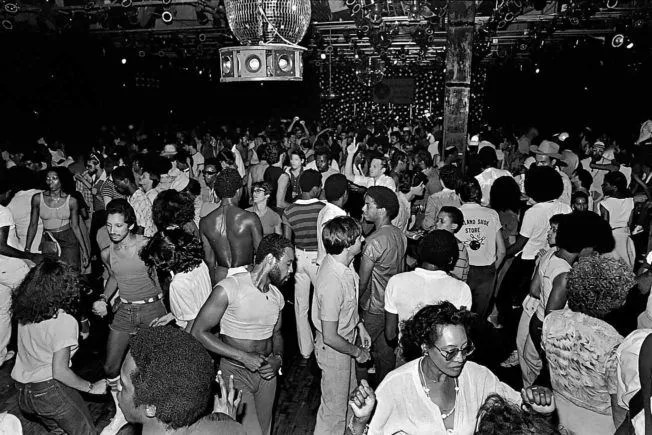
House music, a genre that emerged from the vibrant nightlife of Chicago in the early 1980s, has evolved into a global cultural phenomenon. The genre’s roots can be traced back to the intersection of various musical styles, underground dance clubs, and a burgeoning DJ culture. Let’s take a journey through the history of house music:
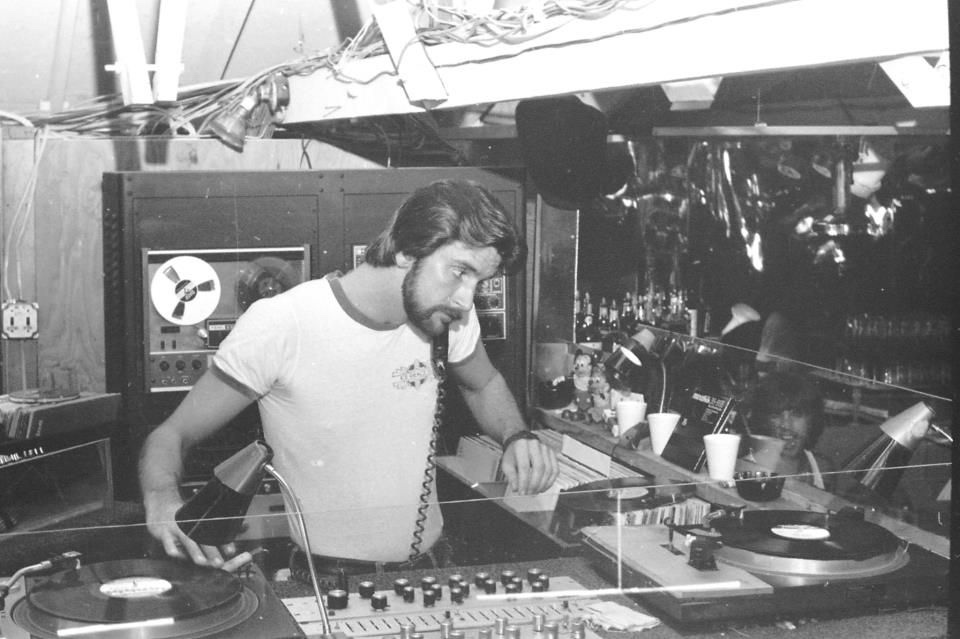
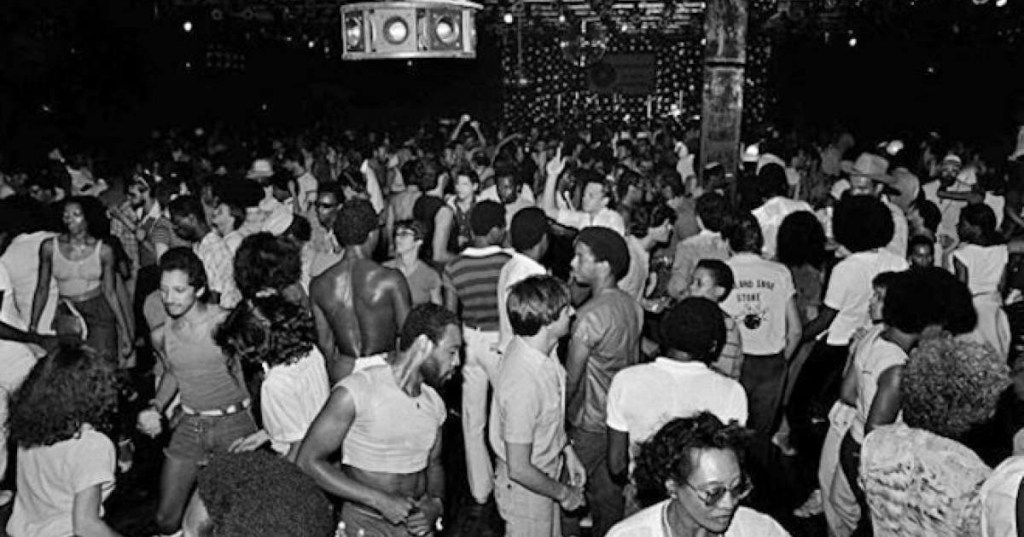
Origins in Chicago (1980s): House music emerged in the early 1980s in Chicago, Illinois. The term “house” is said to have originated from “The Warehouse,” a popular nightclub where DJ Frankie Knuckles pioneered a sound that combined elements of disco, funk, and electronic dance music. Knuckles, along with other DJs like Ron Hardy and Larry Levan, played a significant role in shaping the early house music sound.
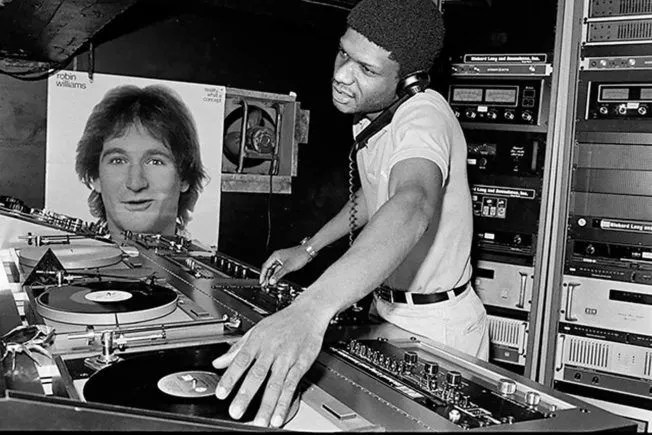
Influences and Style: House music drew influences from a diverse range of musical genres, including disco, soul, funk, and electronic synth-pop. It featured a 4/4 beat pattern, synthesised bass lines, and drum machine rhythms. The distinctive use of repetitive, looped samples and vocal hooks also became characteristic of the genre.
Early Hits and Spread: The first house music hit was “On and On” by Jesse Saunders, released in 1984.

It laid the foundation for the genre’s popularity, and soon, house tracks like “Move Your Body” by Marshall Jefferson and “Can You Feel It” by Larry Heard gained recognition in the Chicago club scene. House music quickly spread to other cities in the United States and overseas.
House Music in the UK: In the late 1980s, house music found a second home in the United Kingdom, particularly in cities like London and Manchester. British DJs and producers embraced the genre, and their remixes and original tracks propelled house music into mainstream consciousness. The “Second Summer of Love” in 1988 further cemented house music’s popularity, with large outdoor raves and clubs becoming central to the UK dance scene.
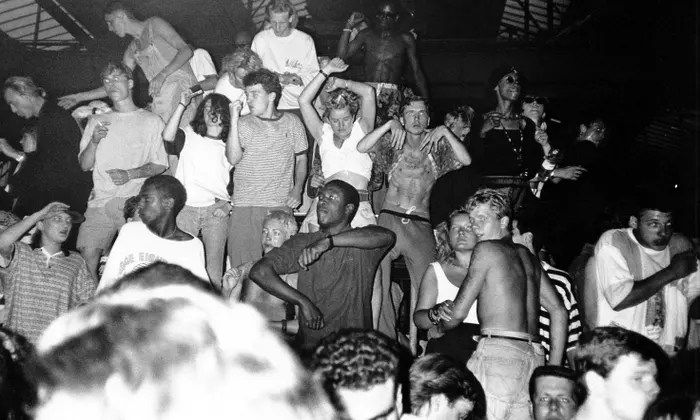
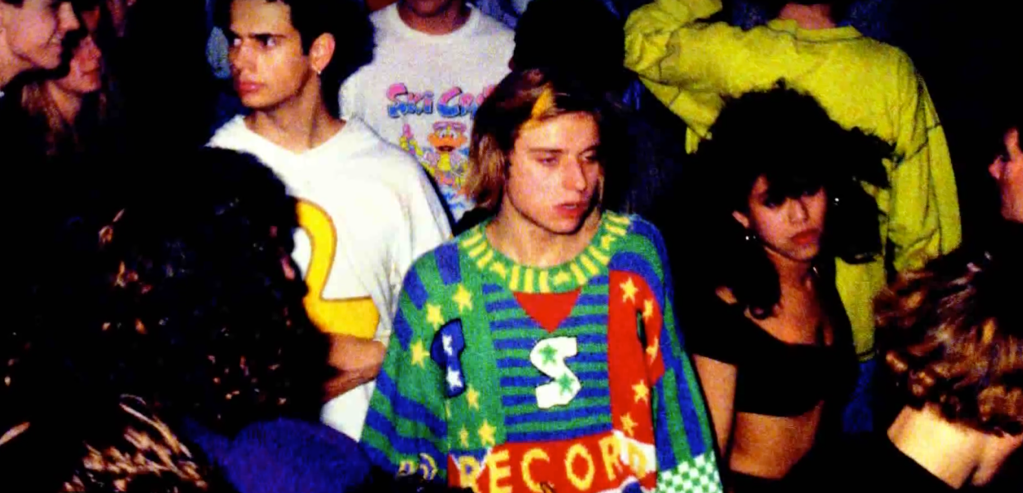
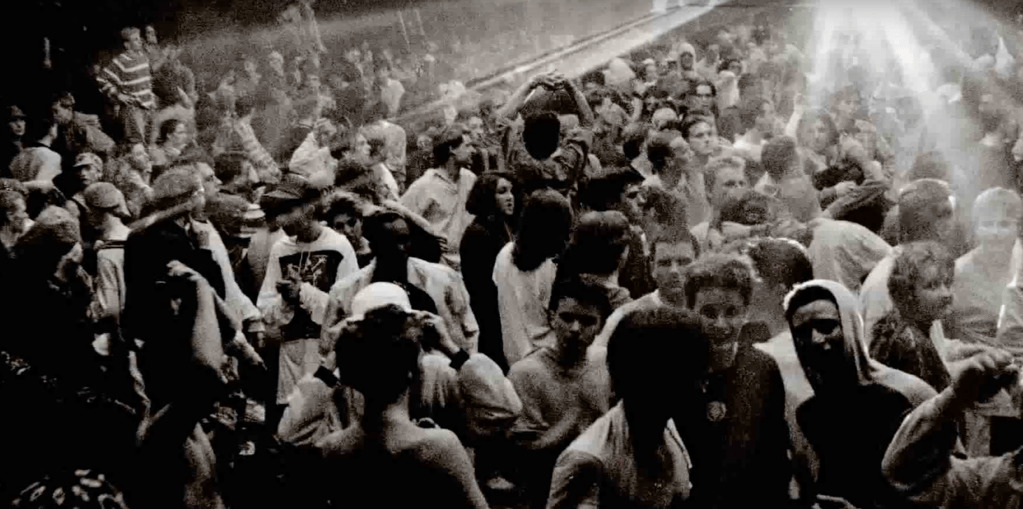
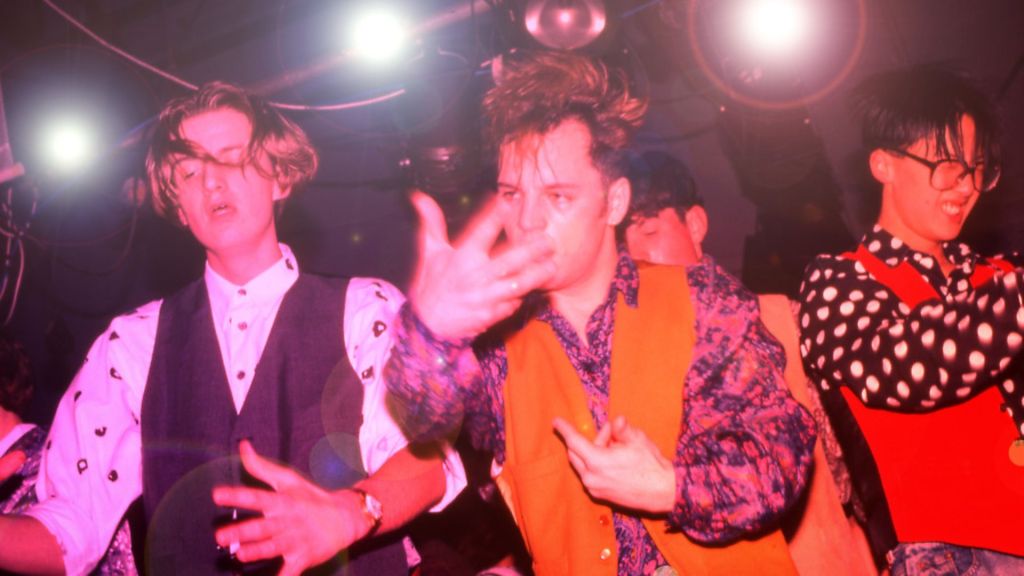
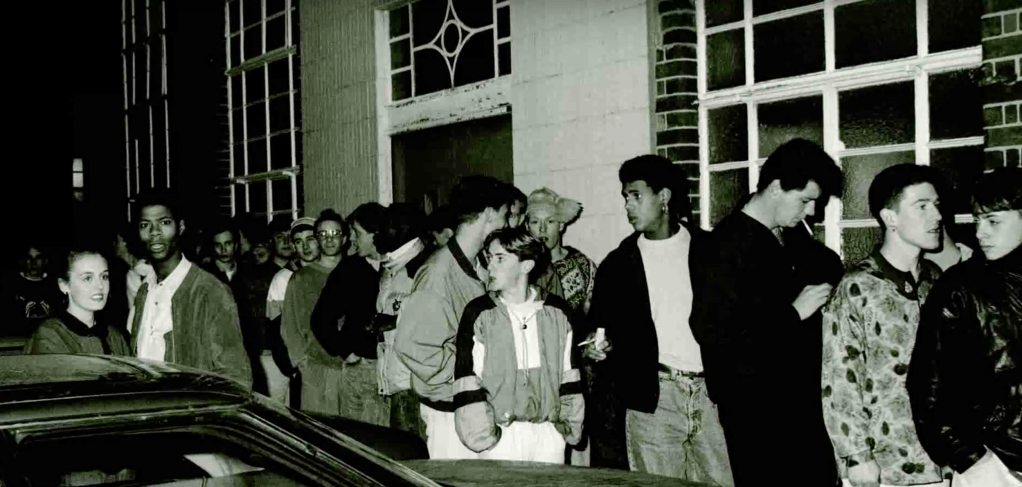
Evolution and Sub genres: As house music expanded, it gave rise to various sub genres, each with its distinct style. Acid house, characterised by the use of the Roland TB-303 synthesizer, gained prominence in the late 1980s. Other sub genres like deep house, progressive house, and tech house emerged in the 1990s, each exploring different elements and moods within the genre.
House Music Goes Global: By the 1990s, house music had become a global phenomenon, spreading to Europe, Asia, and beyond. Iconic clubs and events like Ibiza’s “Amnesia” and “Ministry of Sound” in London became synonymous with the genre. House music’s influence also extended to mainstream pop music, with artists like Madonna, Janet Jackson, and Daft Punk incorporating house elements into their hits.
The Rise of Superstar DJs: The 1990s saw the emergence of superstar DJs, who became household names and achieved celebrity status. DJs like Carl Cox, Sasha, and Fatboy Slim attracted massive crowds and helped to propel the popularity of electronic dance music on a global scale.
House Music in the 21st Century: In the 2000s and beyond, house music continued to evolve and diversify. Electronic dance music festivals, such as Tomorrowland and Ultra Music Festival, became major attractions worldwide, showcasing various sub genres of house music.
 theclubbersbible.com
Leave a comment